Day 1
October 28, 2026
Day 2
October 29, 2026
HFTP Roundtable

Arlene Ramirez
Attendance to the roundtable is by invitation only. Invitation inquiries can be sent to Marilyn at marilyn@hospitalitylawyer.com.
Facilitated by Arlene Ramirez, this session will explore emerging issues in hospitality finance and operations, including the latest USALI reporting framework, increased transparency into brand and management costs, strategies for building and sustaining the hospitality talent pipeline, and challenges in finding reliable industry data.
Check-In
Welcome
Marketing Setting Overview
A high-level look at the hospitality investment climate, transaction activity, financing conditions, and development outlook heading into 2027.
Panel 1: Where the Deals Are Happening

Steven Shapiro

Jerrod Allen

Daniel Lesser

Jonathan Falik
An overview of current transaction activity, investor appetite, and the sectors driving hospitality deal flow, including conversions, adaptive reuse, branded residences, and distressed opportunities.
Panel 2: Structuring the Hospitality Acquisition
Steven Shapiro

John Lancaster

Jennifer Nellany
Jonathan Falik
Key considerations in hotel acquisitions from LOI through diligence and closing, including negotiation strategy, deal terms, risk allocation, and operational transition planning.
Networking Break
Panel 3: Capital Stacks, Lending & Creative Financing
Steven Shapiro
Jonathan Falik
How hospitality projects are being financed today, lender expectations, recapitalization strategies, and emerging financing structures in a higher-cost capital environment.
Panel 4: Legal Landmines in Hospitality Transactions
Steven Shapiro
Samantha Ahuja
Jennifer Nellany
Common deal risks that can derail transactions, including diligence failures, management disputes, franchise issues, labor liabilities, and regulatory exposure.
Networking Break
Capstone Case Study
Case Study Debrief & Faculty Commentary
Closing Remarks
Dealmakers Reception
Check-In, Continental Breakfast, Networking
Welcome & Opening Remarks
Keep Your Hospitality Establishment Out of Ethical Jeopardy!

Kendall Kelly Hayden
This presentation delivers a fun, interactive ethics course and best practices to keep your hospitality establishment out of Jeopardy! Modeled after the game show itself, get ready for friendly competition and excellent education and learning opportunities.
Recent Trends In Hotel Claims and Litigation

Robert Schnitz
Hotels face an evolving landscape of legal claims arising from guest interactions, property operations, and third-party relationships. This session examines recent litigation trends through the lens of three key areas of risk: knowing your guests, knowing your products and property, and knowing your employees and vendors. Through practical case studies and real-world examples, attendees will gain insight into emerging liability issues, recent court decisions, and proactive strategies to reduce legal exposure while strengthening operational practices.
Break
ChatGPT Meets Human Resources
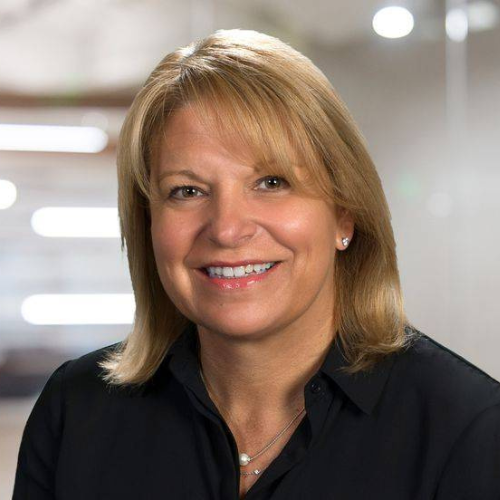
Andria Ryan
AI tools like Chat GPT are helping employees submit well drafted and legal sounding harassment complaints, requests for accommodations and raising other employee relations concerns. This is all despite their lack of legal knowledge and without regard to the actual facts of the situation. This session will provide an overview of 2026 employment law challenges and how to handle the ChatGPT “complainer.”
Beyond the ADA: Navigating Religious, Pregnancy, and Disability Accommodations in the Hospitality Workplace

Jordan Schwartz
Hospitality employers are increasingly navigating accommodation requests that extend beyond the Americans with Disabilities Act. This session explores employers' obligations under Title I of the ADA, the Pregnant Workers Fairness Act, and federal protections for religious accommodations. Through practical examples and recent legal developments, attendees will learn how these laws intersect, how to evaluate accommodation requests, and how to develop consistent, legally compliant practices that reduce risk while supporting employees.
Award Luncheon
Presenting the 2026 Thomas G. Davis Loss Prevention Lifetime Achievement Award
Cocktails, Content & Compliance: Navigating Alcohol Marketing in the Digital Age

Elizabeth DeConti
Social media, influencer partnerships, user-generated content, loyalty programs, and digital promotions have become essential marketing tools for hospitality businesses—but they also create significant regulatory risks. This session explores how federal and state alcohol advertising laws intersect with FTC endorsement rules, platform policies, sweepstakes regulations, and age-gating requirements. Attendees will learn practical strategies for promoting alcoholic beverages while minimizing compliance risks.
The Hidden Legal Risks in Hospitality Contracts: What Every Executive Should Know

Colby Birkes
Hospitality companies execute hundreds of contracts each year—from vendor agreements and technology contracts to management agreements, licensing arrangements, service contracts, and strategic partnerships. While many receive little attention once signed, these agreements often contain provisions that significantly affect operational flexibility and financial exposure. This session highlights commonly overlooked contractual terms and explains how operators can better identify, negotiate, and manage contractual risk before problems arise.
Break
Lessons Learned about Liability From Serving as an Expert Witness
Vince Vittatoe

Brad Bonnell

Salvatore Caccavale
Moderated by Stephen Barth, this panel brings together experienced hospitality security and risk professionals to share lessons from their work as expert witnesses in premises liability, negligent security, and other hospitality-related cases. The discussion will explore common liability issues, what experts look for when evaluating a property, and practical steps hospitality organizations can take to identify vulnerabilities and better manage risk.
AI Governance: A Field Guide for Counsel

Michael Goldrich
AI is already inside the building. Staff use it for guest messaging, scheduling, and content, mostly without a policy and almost always without legal review. This session gives risk and legal leaders a working framework for governing that use, from data handling to vendor terms to the small daily habits most likely to trigger a claim. Attendees leave with a checklist they can put to work the same week.
Closing Remarks
Reception